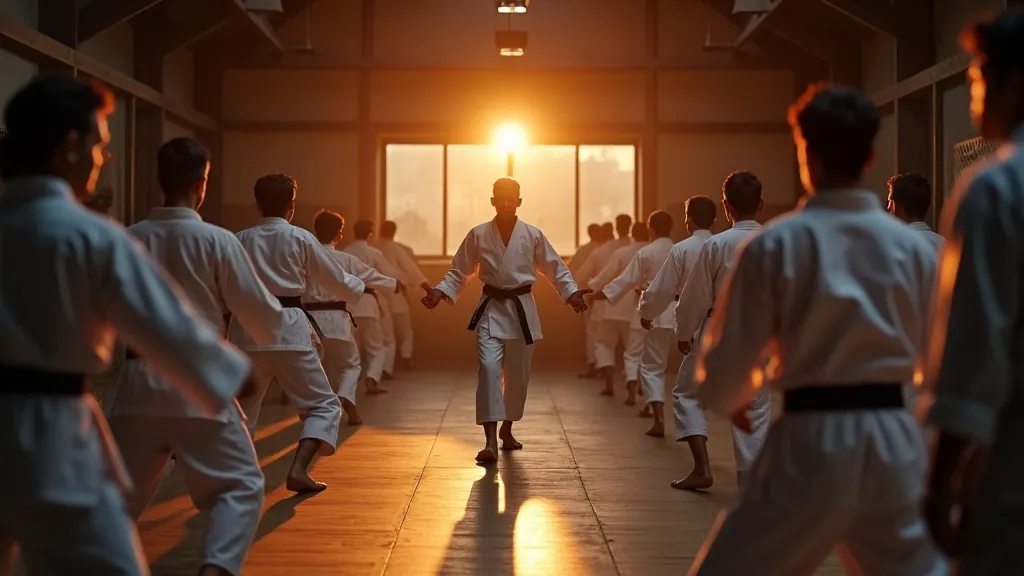
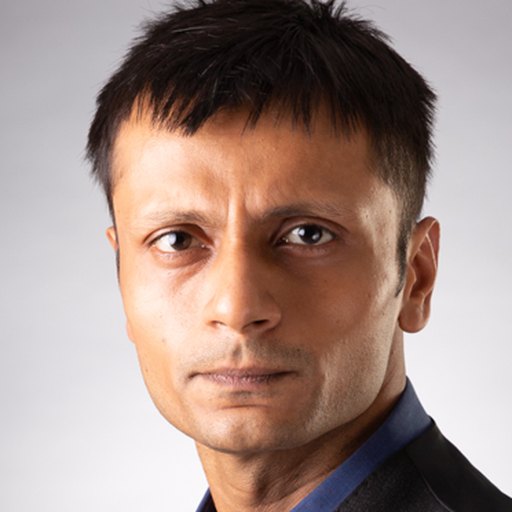
I run Expedify, an agentic AI company, and that is my day job. For thirteen years I have kept one rule for myself: work ends around six in the evening. The evenings belonged to the dojo. I showed up, tied my belt and trained.
The nights were for gaming. I want to be honest about what that was, because it was not a problem I needed to fix. After a day of running a company and an evening of training, games were where I went to forget everything. And they gave something real back: a quest to be on, progress I could see, the clean little dopamine of levelling something up, one more run before bed. There are merits in that. There still are.
But somewhere in those nights I noticed what I was actually hooked on. It was never the game. It was the building. The character, the base, the run. Give me a progress bar and a quest line and I will pour hours into it without anyone asking.
Around the same time, my day job was making something obvious to me. I am a former coder, and agentic AI had just changed what one builder could do alone at night. The agents write exactly what is needed, fast. Years of having written code myself are what turn that speed into a production-grade product instead of a demo. For the first time, a one-person night shift could ship real software.
So the change was never about quitting gaming. It was about pointing the same fuel somewhere new. I wanted everything gaming gave me, the quest, the visible progress, the pull of one more thing before bed, from something that would still exist in the morning. I went looking for a bigger quest.
I did not run a market study to find it. I picked the problem I had been living inside for thirteen years.
Here is what a gamer notices about martial arts. A game never leaves you wondering where you stand. There is always a map, a level, a next objective. My sport gave me the opposite. As a white belt I had one question nobody could answer on the spot: where do I actually stand? The syllabus was on a paper on the dojo wall, and it gave you the direction. What it could not give you was how far along it you were, how good your techniques really were, or where to put the work next.
Years later my son started training under a different coach, and I met the same wall from the other side. I paid the fees, dropped him off, picked him up, and had no real idea what he was learning. Trusting your coach and having visibility are two different things.
Then I started teaching, and the wall turned again. A coach with sixty students cannot hold sixty journeys in his head. Grading drifts toward memory and instinct, and there is nothing to hand a parent when they ask the obvious question.
And when I helped run tournaments, I watched capable people spend an entire day on tie sheets, spreadsheets and paper, doing by hand what a button should do.
One blind spot, met from four chairs. A sport full of real progression, belts, gradings, medals, records, and nobody could see any of it. To a builder that is a gap. To a gamer it is a crime.
How it actually started
“Can you make us a scoreboard?”
While I was circling all of this, my Sensei asked me for one small favour: a scoreboard for our tournament. I said yes the way you say yes to your teacher.
The scoreboard took a few nights. What took longer was sitting with the fact that a scoreboard was the first piece of software anyone had ever asked our sport for. The gap was not one tool. It was everything around the tool. That was the quest marker I had been looking for.
And I will admit what happened next. The build gave me exactly what the games used to. The same pull, the same lost track of time, the same one more thing before bed. Night after night the scoreboard grew: registration, then brackets, then belts, then attendance, then a record that follows an athlete for life. At some point it stopped being a side project and became an operating system for combat sports. We named it KombatOS.
Somewhere inside those years, showing up turned into a black belt, and then a second degree black belt. With the blessings of my Sensei I opened my own academy, and sat down in the fifth chair. The art inside it is not mine, it was given to me. The software that runs it was built in those same nights.
The fight is still against us. Karate taught me that years before I believed it. What changed is where my nights are pointed, and the honest truth is that it still feels like gaming. Same dopamine. Bigger quest.
What the platform actually does for each person in the dojo, the athlete, the parent, the coach, the academy and the organiser, is its own story. I have written it down here:
Five seats, one system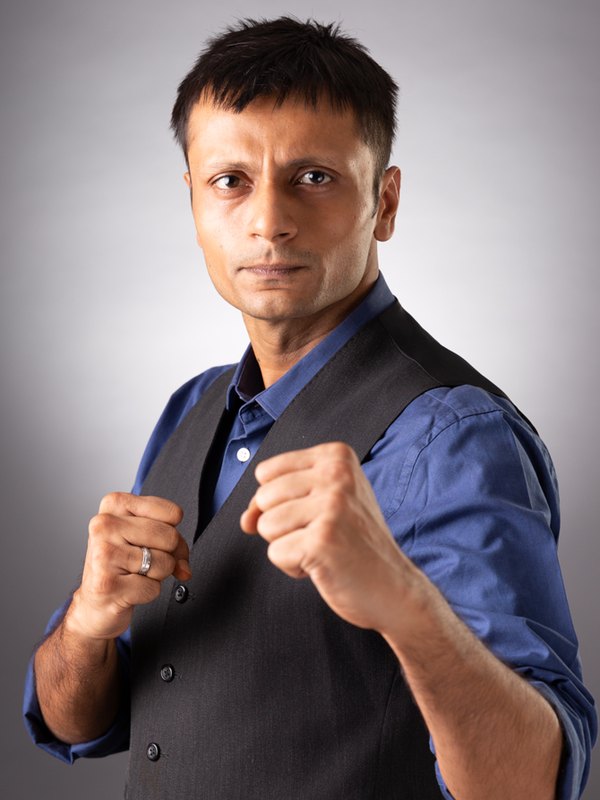
Aditya Singh
Founder of KombatOS. Managing Director and co-founder of Expedify, an agentic AI company. Second degree black belt, thirteen years on the mat, and runs an academy.
Connect on LinkedIn